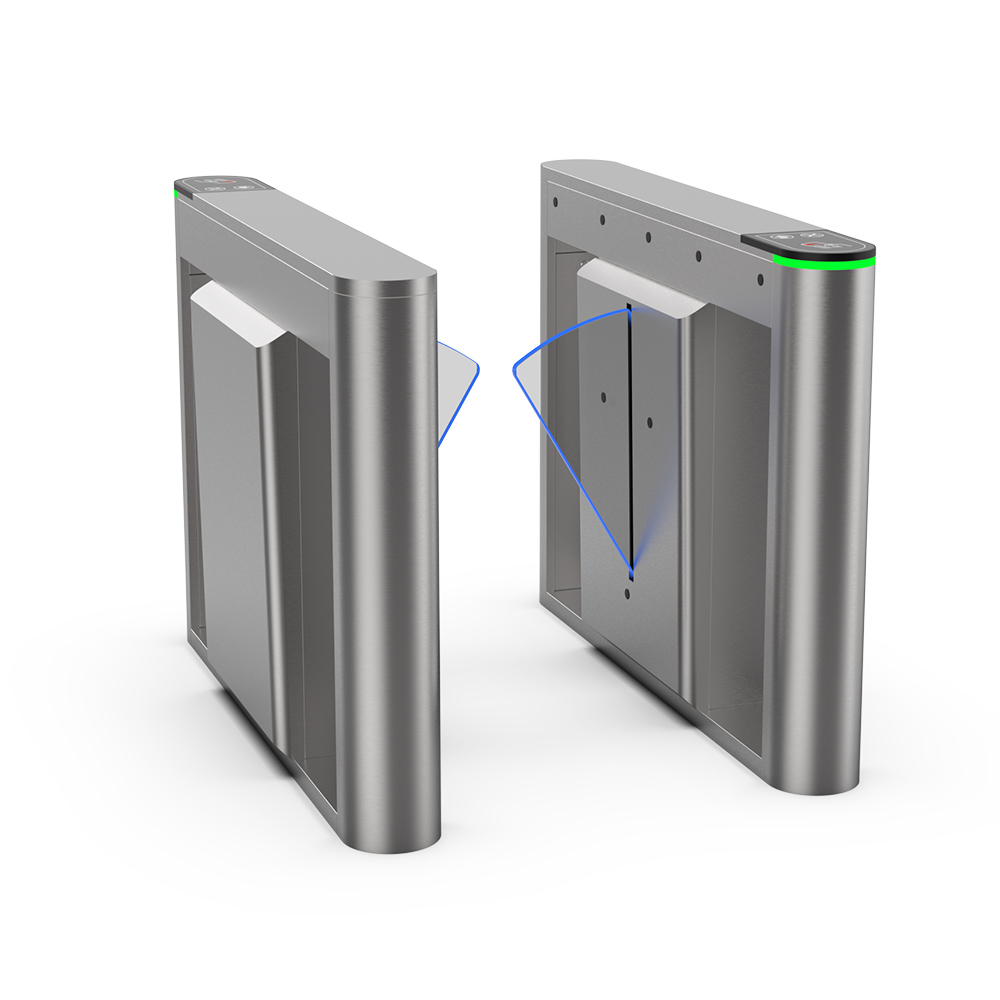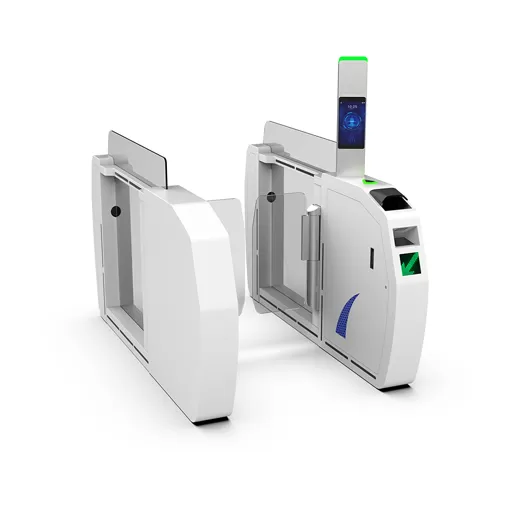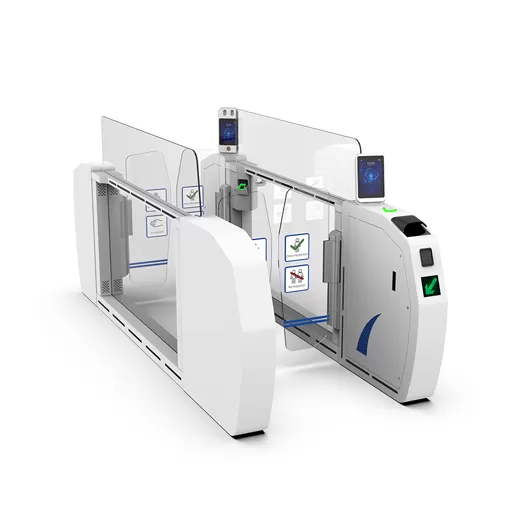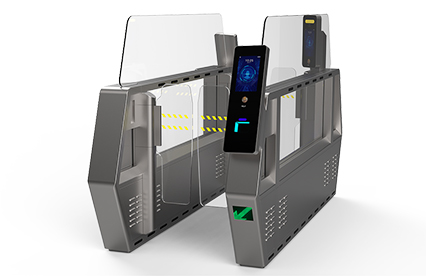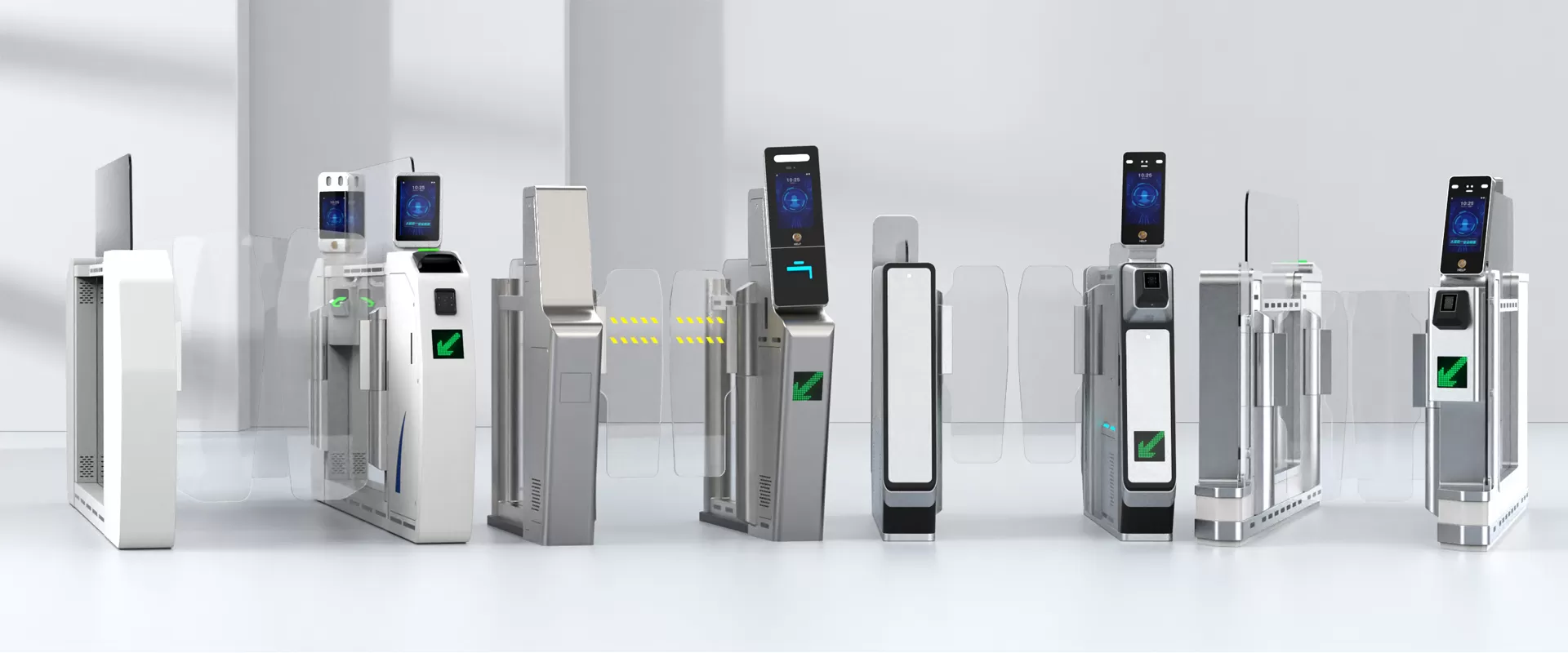
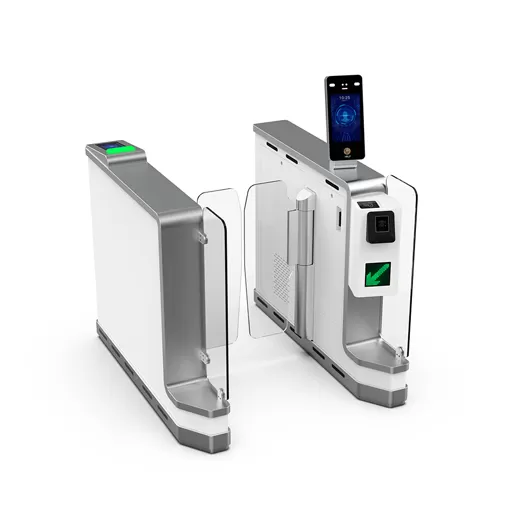
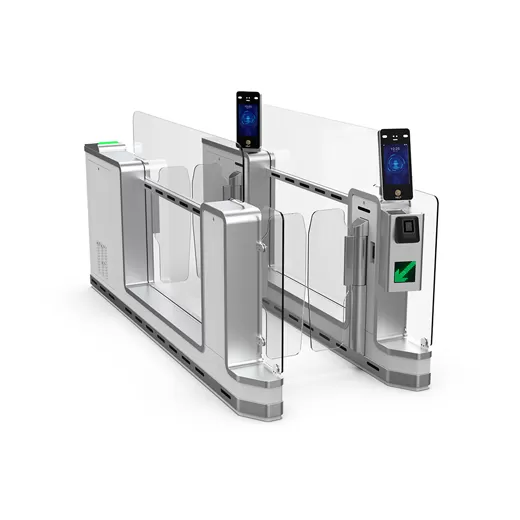
DOOR designs and manufactures automated E-Gate systems for airport pre-security, immigration, customs, border control and other passenger-processing checkpoints. Depending on the selected model and project configuration, the system can integrate boarding pass scanning, passport or identity document reading, facial recognition, fingerprint verification and passenger access control functions.
Selecting the right E-Gate requires more than comparing cabinet appearance. Project teams should evaluate the passenger-processing stage, required documents, biometric verification method, clear passage width, expected throughput, anti-tailgating logic, communication interfaces and emergency operating requirements.
Compare the E-Gate models below or request an E-Gate project evaluation based on your specific e gate application, lane quantity and system integration requirements.

Key components
Key components imported from Germany for reliability, ensuring stable performance in demanding environments. As an experienced e gate company, DOOR carefully selects internationally recognized components to ensure long-term durability and consistent operation.
Customization supported
Customization of e gates is supported to meet specific project needs.
Industry-leading
Industry-leading design for superior performance.
Competitive Wholesale Pricing: Bulk purchasing can reduce the average e gate price per unit, helping project teams make better use of their available budget.
Priority Production Scheduling: Your large orders receive priority in our manufacturing queue, ensuring faster delivery.
Dedicated Account Management: Get personalized support from a dedicated specialist who understands your business needs.
Customized Logistics Solutions: We work with you to streamline shipping and handling for large-scale orders.
Quick answer: An automated E-Gate is a self-service passenger-processing lane that combines a physical barrier with document or credential readers, pedestrian sensors, control software and, where required, biometric verification. It releases the lane only after the connected system confirms that the passenger and presented credential meet the configured checkpoint rules.
In airport pre-security, boarding, customs or immigration projects, an E-Gate may be configured to process a boarding pass, QR code, identity document, machine-readable passport or electronic passport. Facial or fingerprint verification can also be integrated when required by the approved passenger-processing workflow. The supported functions depend on the selected reader, biometric device, software platform and system interfaces.
An airport or immigration E-Gate is different from a standard office speed gate. A speed gate primarily controls pedestrian access through cards, QR codes, mobile or visitor credentials. An E-Gate may also need travel-document reading, passenger-data verification, biometric matching and integration with airport, airline or border-authority systems. Read the detailed airport E-Gate vs speed gate comparison if your project is still selecting the gate type.
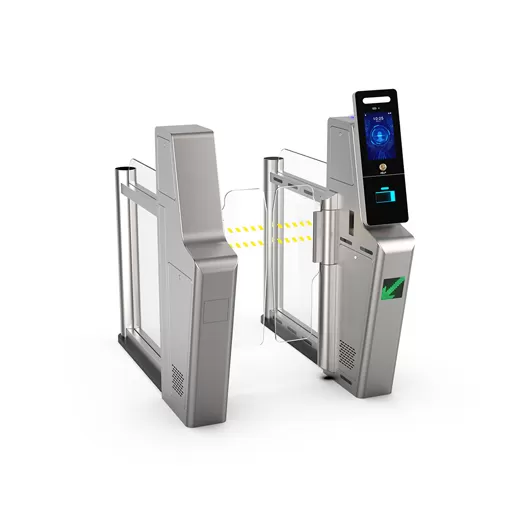
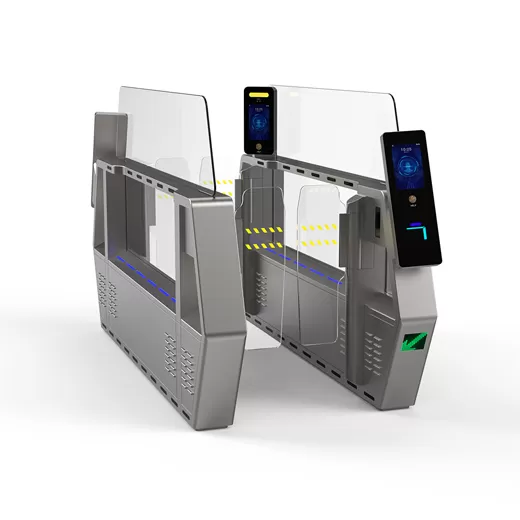
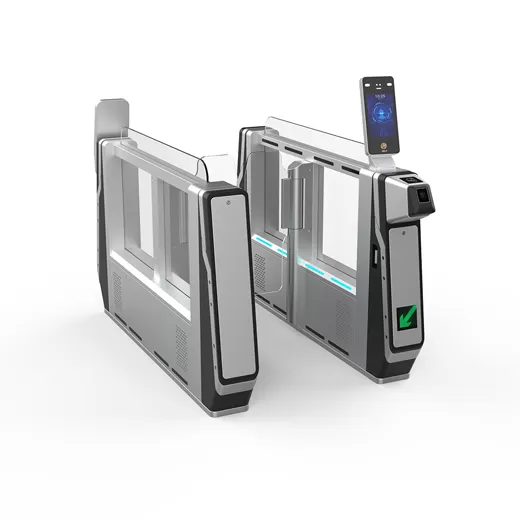
DOOR offers eight E-Gate models for different passenger-processing projects. The table below uses the specifications currently published on the individual EG31–EG38 product pages. When comparing E-Gate manufacturers, buyers should also confirm the final document readers, biometric modules, software interfaces and operating workflow against the latest project data sheet.
| Model | Primary Application | Barrier / Sensors | Listed Verification Package | Passage Width |
|---|---|---|---|---|
| EG31 | Airport pre-security and passenger credential verification | Double swing panels; 32 IR sensor pairs | QR scanner, ID/passport/OCR reader and face recognition | 600–900 mm |
| EG32 | Immigration and border checkpoints | Double swing panels; 64 IR sensor pairs | E-boarding pass reader, ID/passport/OCR reader and face recognition | 600–900 mm |
| EG33 | Airport and immigration passenger processing | Double swing panels; 32 IR sensor pairs | QR scanner, ID/passport/OCR reader and face recognition | 600–900 mm |
| EG34 | Immigration and border clearance | Double swing panels; 64 IR sensor pairs | E-boarding pass reader, ID/passport/OCR reader and face recognition | 600–900 mm |
| EG35 | Airport and immigration passenger processing | Double swing panels; 32 IR sensor pairs | QR scanner, ID/passport/OCR reader and face recognition | 600–900 mm |
| EG36 | Customs and immigration checkpoints | Double swing panels; 64 IR sensor pairs | E-boarding pass reader, ID/passport/OCR reader and face recognition | 600–900 mm |
| EG37 | Airport pre-security passenger processing | Double swing panels; 32 IR sensor pairs | QR scanner, ID/passport/OCR reader and face recognition | 600–900 mm |
| EG38 | Customs and immigration checkpoints | Double swing panels; 64 IR sensor pairs | E-boarding pass reader, ID/passport/OCR reader and face recognition | 600–900 mm |
Specification note: *The current product pages list 8–12 persons per minute, subject to the actual configuration. This is a product-level reference, not a guaranteed end-to-end passenger-processing rate. Document reading, biometric capture, system response, passenger behavior and exception handling can change real throughput. Confirm all specifications and optional modules in the latest approved data sheet before tender submission or procurement.
For a clearer distinction between airport and border applications, review airport pre-security E-Gates vs immigration E-Gates before confirming the required model and system interfaces.
E-Gate selection should begin with the passenger-processing stage rather than the cabinet appearance. Each checkpoint has different verification, accessibility, integration and exception-management requirements.
| Processing Stage | Primary Purpose | Lane Planning | Operational Priority |
|---|---|---|---|
| Pre-Security | Confirm that the passenger and boarding credential can enter the next processing area | Standard and accessible lanes based on peak passenger volume and terminal layout | Fast instruction, reliable scanning and efficient exception routing |
| Immigration and Border Control | Support an approved identity, travel-document and border-decision workflow | Passenger entry, verification zone, exit barrier and officer-review route as required | Document authentication, biometric quality, authority integration and auditability |
| Customs Inspection | Guide passengers through configured declaration or inspection decisions | Clear routes for release, referral and staff intervention | Process-rule integration, exception handling and operator visibility |
| Boarding or Transport Access | Validate a ticket, boarding pass or passenger credential | Lane quantity based on departure peaks, accessibility and available queuing space | Credential compatibility, passenger guidance and downstream-system response |
The exact sequence depends on the checkpoint, but a typical automated E-Gate workflow includes the following steps:
1. Credential Presentation
The passenger presents a boarding pass, ticket, identity document, passport or approved digital credential.
2. Document or Credential Reading
The configured reader captures the required barcode, QR, MRZ, document or permitted electronic-chip data.
3. System Verification
The connected passenger, airline, access control or authority system evaluates the configured rules.
4. Biometric Matching
Where required, a live face or fingerprint sample is compared with an authorized reference through the approved biometric system.
5. Lane Safety Detection
Pedestrian sensors monitor passenger position, direction and possible tailgating according to the configured lane logic.
6. Release or Staff Intervention
The barrier releases after successful verification. A failed or incomplete transaction can be routed to staff for review.
Learn more about how automated E-Gates work, including their verification technologies, applications and system-integration considerations.
E-Gate price cannot be determined from the cabinet model alone. The quotation depends on the complete passenger-processing system, including lane quantity, passage width, document and biometric devices, software interfaces, project testing, installation and service scope.
| Cost Factor | Why It Affects the Quotation | Information to Provide |
|---|---|---|
| Lane Quantity and Width | Standard and accessible lanes can require different cabinet layouts and barrier dimensions. | Number of lanes, clear passage width, site drawing and expected passenger volume |
| Document Readers | Boarding-pass scanning, OCR/MRZ capture and electronic-passport chip functions use different devices and software. | Supported credential and document types, required data fields and authentication scope |
| Biometric Modules | Camera, fingerprint equipment, matching software and enrollment or reference-data connections affect the system scope. | Biometric method, matching workflow, database or identity source and performance requirements |
| System Integration | Hardware interfaces, communication protocols, APIs, SDKs and custom software work require technical review and testing. | Existing system documentation, data format, interface protocol and required event exchange |
| Customization and Testing | Cabinet changes, displays, indicators, multilingual guidance and factory acceptance testing add engineering work. | Required appearance, user interface, test cases, documentation and acceptance procedure |
| Delivery and Service Scope | Shipping, site installation, commissioning, training, spare parts and support arrangements vary by project. | Project country, delivery schedule, installation responsibility, training and spare-parts requirements |
Information Needed for an E-Gate Quotation
Airport, customs, immigration, boarding or other application
Passenger-processing workflow and number of standard or accessible lanes
Boarding pass, QR, ID, passport, electronic-passport or biometric requirements
Required interfaces, connected software and third-party system documentation
Expected passenger volume, available site dimensions and operating environment
Factory testing, installation, commissioning, training and delivery schedule
Send these details through the E-Gate project enquiry form so the appropriate model, modules and integration scope can be reviewed before quotation.
As a leading E-Gate wholesaler, DOOR provides tiered pricing and professional e gate service tailored to specific project requirements. The E-gate price is primarily influenced by the level of integration complexity, such as the inclusion of high-end biometric modules or passport chip readers. We offer significant bulk discounts and priority production scheduling for government, customs, and airport tenders to ensure timely project delivery and cost-efficiency.
Our E-gate systems support multi-modal authentication for ultra-high security and seamless flow. This includes facial recognition, fingerprint scanning, passport chip reading (OCR), and mobile QR code credentials. Our hardware is designed with universal interfaces, allowing for flexible integration with various third-party airport management and immigration databases.
DOOR provides comprehensive, global E-gate service and support packages. To minimize downtime, we offer remote technical assistance, on-site calibration, and a rapid-supply system for modular spare parts. We also provide dedicated E-gate maintenance guides to help facility managers ensure their automated gates operate at peak performance for a lifetime of over 10 million cycles.
Technical Support & Resources
Looking for detailed integration diagrams or servicing tips? Learn more about the technical setup in our e-gate maintenance guide to ensure the longevity of your investment.
A speed gate is mainly used for pedestrian access control in offices, commercial buildings, transport facilities and other controlled entrances. It typically verifies access through cards, QR codes, facial recognition or visitor credentials.
An E-Gate usually supports a more complex passenger-processing workflow involving travel documents, identity verification, biometric matching and integration with airport, immigration or border-control systems. Although some E-Gates and speed gate systems may use similar barrier panels and pedestrian sensors, their verification processes, software integration and project requirements are different.
DOOR E-Gates can be configured for integration with compatible third-party passenger processing, access control, biometric, document-reading and security management systems. Integration may involve hardware interfaces, communication protocols, APIs or SDKs, depending on the selected equipment and project architecture.
Before confirming compatibility, the project team should provide the required system interface, data format, verification workflow, communication protocol and third-party software documentation. Compatibility with a specific platform should be verified through technical review and integration testing rather than assumed.
There is no single throughput figure that applies to every E-Gate. Actual passenger-processing capacity depends on several factors, including:
The authentication and verification workflow
Boarding pass or document-reading time
Biometric capture and matching time
Passenger familiarity and movement behavior
Exception handling and manual intervention
Barrier opening and closing speed
The number and configuration of available lanes
Please refer to the model comparison table and the latest technical data sheet for model-specific throughput information. Project capacity should also be evaluated according to expected peak passenger volume rather than the gate’s barrier speed alone.
E-Gate pricing depends on the complete system configuration rather than the gate cabinet alone. Major cost factors include lane quantity, passage width, document readers, passport or electronic passport functions, biometric modules, display equipment, software integration, customized hardware, testing, shipping, installation, commissioning and spare parts.
For an accurate quotation, please provide the application, passenger-processing workflow, required verification methods, number of standard and accessible lanes, project country, integration requirements and expected delivery schedule.
Not every E-Gate is designed for outdoor use. Outdoor suitability depends on the model’s IP rating, cabinet sealing, corrosion protection, drainage design, operating temperature, humidity resistance and protection from direct rain, dust and sunlight.
For example, the current EG31 specification identifies the model as an indoor unit with an IP42 rating, so it should not be presented as a standard outdoor E-Gate. Projects requiring outdoor or semi-outdoor installation should use a specifically evaluated configuration and confirm all environmental requirements before procurement.


Call Us
+86 0755 2762 0066
Address


Headquarters Add.
Factory Add.
Come and Contact DOOR
Quick Links
17th Floor, Block C, Digital Innovation Center, Longhua District, Shenzhen, China
 EN
EN