 EN
EN


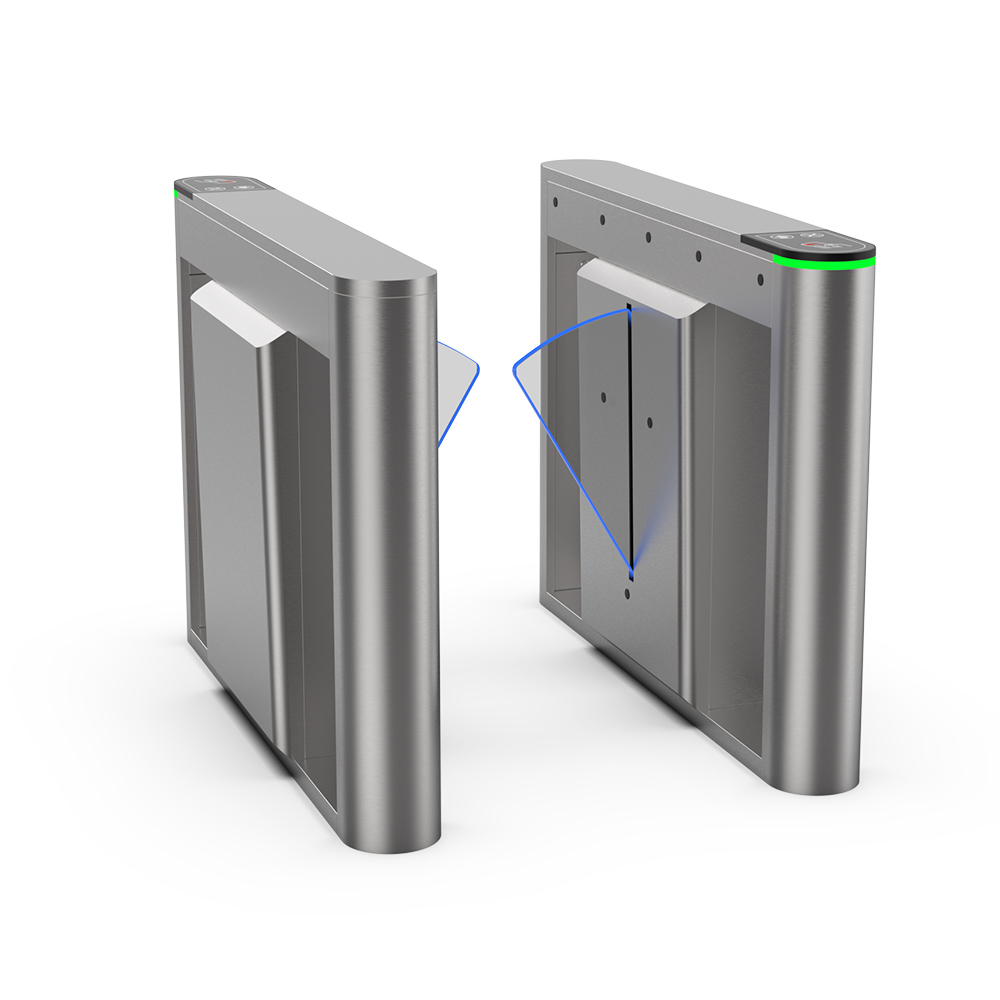


Construction site turnstiles control how workers, subcontractors and authorized visitors enter and leave a project. Tripod turnstiles are generally suitable for supervised entrances where compact size, efficient flow and cost control are priorities. Full-height turnstiles provide a stronger physical barrier for perimeter entrances where preventing climbing and unauthorized passage is more important.
The right construction turnstile depends on site security, worker volume, available space, outdoor exposure, credential technology and emergency access requirements. In many projects, the most effective layout combines controlled pedestrian lanes with a separate gate for wheelchairs, tools, materials and emergency movement.
Choose a tripod turnstile for compact, economical and supervised worker access.
Choose a full-height turnstile for stronger perimeter control and unattended entrances.
Add RFID, QR code or biometric verification when attendance and identity records are required.
Provide a separate compliant entrance for wheelchairs, equipment and emergency evacuation.
What Is a Construction Site Turnstile System?
A construction site turnstile system combines a physical pedestrian barrier with an electronic access control platform. Before entering, a worker presents an approved credential such as an RFID card, QR code, fingerprint or facial credential. The controller checks the credential and releases the turnstile when access is authorized.
Entry and exit events can be recorded by the connected access control or workforce management system. Depending on the software, this information may support attendance reports, subcontractor management, visitor records and restricted-area permissions.
A typical system may include the turnstile, access control reader, controller, management software, network connection, power supply, backup power, intercom and an adjacent pedestrian gate. For projects requiring several lanes, explore DOOR's complete turnstile access control systems.
Tripod vs Full-Height Turnstiles for Construction Sites
| Comparison Point | Tripod Turnstile | Full-Height Turnstile |
|---|---|---|
| Barrier structure | Three rotating arms positioned at waist height | Floor-to-ceiling rotating rotor within a full frame |
| Security level | Basic to medium pedestrian control | Higher physical perimeter deterrence |
| Typical location | Guarded entrance, temporary office or worker check-in point | Perimeter fence line or less-supervised entrance |
| Space requirement | Compact and easier to position in limited areas | Requires more installation and rotation space |
| Installation | Generally simpler to install and relocate | Requires a secure base and careful alignment |
| Wheelchairs and equipment | Separate accessible gate required | Separate accessible gate required |
| Best suited for | Projects prioritizing flow, compact design and budget | Projects prioritizing perimeter security and access enforcement |
When Should You Choose a Tripod Turnstile?
A tripod turnstile is a practical option for medium-security construction entrances with security personnel nearby. Its compact cabinet requires less space, while the rotating arms help organize workers into a controlled single-person flow.
Tripod systems are commonly considered for temporary site offices, employee attendance points and construction projects where the equipment may need to be moved after completion. However, users may be able to climb over or pass underneath the arms, so a tripod model should not be treated as a complete high-security perimeter barrier.
When Should You Choose a Full-Height Turnstile?
A full-height turnstile is better suited to entrances where stronger physical access enforcement is required. Its tall rotating structure makes climbing over or passing under the barrier much more difficult than with a waist-height model.
Full-height construction site security turnstiles can be positioned along a secured perimeter and connected to worker credentials. They normally require more space, stronger foundations and careful planning for delivery, assembly and maintenance access.
Access Control and Worker Identification Options
The turnstile is only the physical control point. The credential, controller and software determine who may enter, when they may enter and what information is recorded.
RFID Cards
RFID cards are fast and familiar for daily worker access. Cards can be assigned to individual workers and disabled when employment or site authorization ends.
QR Codes
QR credentials can support temporary visitors, deliveries and short-term contractors without issuing a permanent card.
Biometric Verification
Fingerprint or facial verification may reduce credential sharing, but performance must be tested under actual site conditions such as dust, gloves, helmets and changing light.
Multi-Factor Access
Higher-security entrances may combine a card with biometric verification. This improves identity assurance but may also increase processing time.
Credential selection should be based on project risk rather than convenience alone. For facilities using government PIV credentials, the NIST guidance on PIV credentials in facility access provides a risk-based reference for selecting authentication methods.
Construction Site Installation and Safety Planning
Outdoor Environment
Do not assume that every stainless-steel turnstile is suitable for exposed outdoor installation. Confirm the actual model's IP rating, corrosion protection, drainage, operating-temperature range and enclosure design. A canopy may still be necessary to protect readers, displays and electrical components.
Foundation, Cabling and Network
Confirm the concrete base, anchor positions, conduit routes and drainage before equipment arrives. Power, data and fire-alarm interfaces should be coordinated with the site electrical and security plans. If mobile offices or temporary entrances will be relocated, the installation should allow controlled disassembly without damaging cables or mechanisms.
Emergency Exit Planning
A turnstile must not obstruct an approved emergency route. Project teams should confirm local fire, building and workplace safety requirements before installation. As one regulatory reference, the OSHA exit-route requirements state that exit doors must be openable from inside without keys, tools or special knowledge and must not depend on a device that could restrict emergency use if it fails.
Emergency operation may include a drop-arm function, free rotation, fire-alarm release or a separate emergency gate. The required behavior must be confirmed for the selected model and tested during commissioning.
Accessible and Equipment Passage
Neither a standard tripod nor a conventional full-height turnstile is suitable as the only route for wheelchairs, large tools or material carts. A separate gate should be included and controlled according to the project requirements.
How to Choose the Right Construction Turnstile
Begin with the site's operating requirements instead of choosing a model by appearance. The following information should be prepared before requesting a quotation:
Estimated number of workers and peak entry times
Number of required entrance and exit lanes
Supervised or unattended operation
Indoor, covered outdoor or exposed outdoor installation
Required RFID, QR code or biometric readers
Existing access control and attendance software
One-way or bidirectional traffic requirements
Emergency-release and fire-alarm operation
Accessible passage and equipment gate requirements
Power, network, foundation and drainage conditions
Project location, delivery schedule and installation responsibility
Choose a tripod turnstile when the entrance is supervised and the project prioritizes compact dimensions, efficient worker flow and easier relocation. Choose a full-height model when stronger perimeter control is needed and sufficient installation space is available. Large projects may use both: tripod lanes at staffed entrances and full-height units at perimeter access points.
After installation, inspection of fasteners, rotation mechanisms, readers, wiring and emergency functions should form part of the site's preventive maintenance plan. See the turnstile maintenance checklist for recommended inspection items.
Frequently Asked Questions
Which turnstile is best for a construction site?
A tripod turnstile is generally suitable for supervised and budget-conscious entrances. A full-height turnstile is preferable where stronger physical perimeter control is required. Final selection should consider traffic, supervision, available space and site risk.
Can construction turnstiles record worker attendance?
Yes. When connected to compatible readers, controllers and workforce software, entry and exit events can be associated with individual credentials. Software compatibility and reporting requirements should be confirmed before equipment selection.
Can a construction site turnstile be installed outdoors?
Selected models can be used outdoors, but suitability depends on the specific IP rating, material, sealing, drainage and operating-temperature range. Outdoor readers and other electronic devices must also be protected.
Are tripod or full-height turnstiles suitable for wheelchairs?
They should not be used as the only accessible route. Construction sites should provide a separate gate with suitable clear width and operation for wheelchairs, equipment and other users who cannot pass through the turnstile.
What information is needed for a construction turnstile quotation?
Provide the required quantity, lane layout, site location, environment, daily traffic, credential type, software interface, emergency behavior, available power and expected delivery schedule. Drawings or site photographs can help the supplier recommend an appropriate configuration.
Plan Your Construction Site Access System
Compare tripod and full-height turnstile configurations for your worker entrance, perimeter and access control requirements.
Request a Project Recommendation