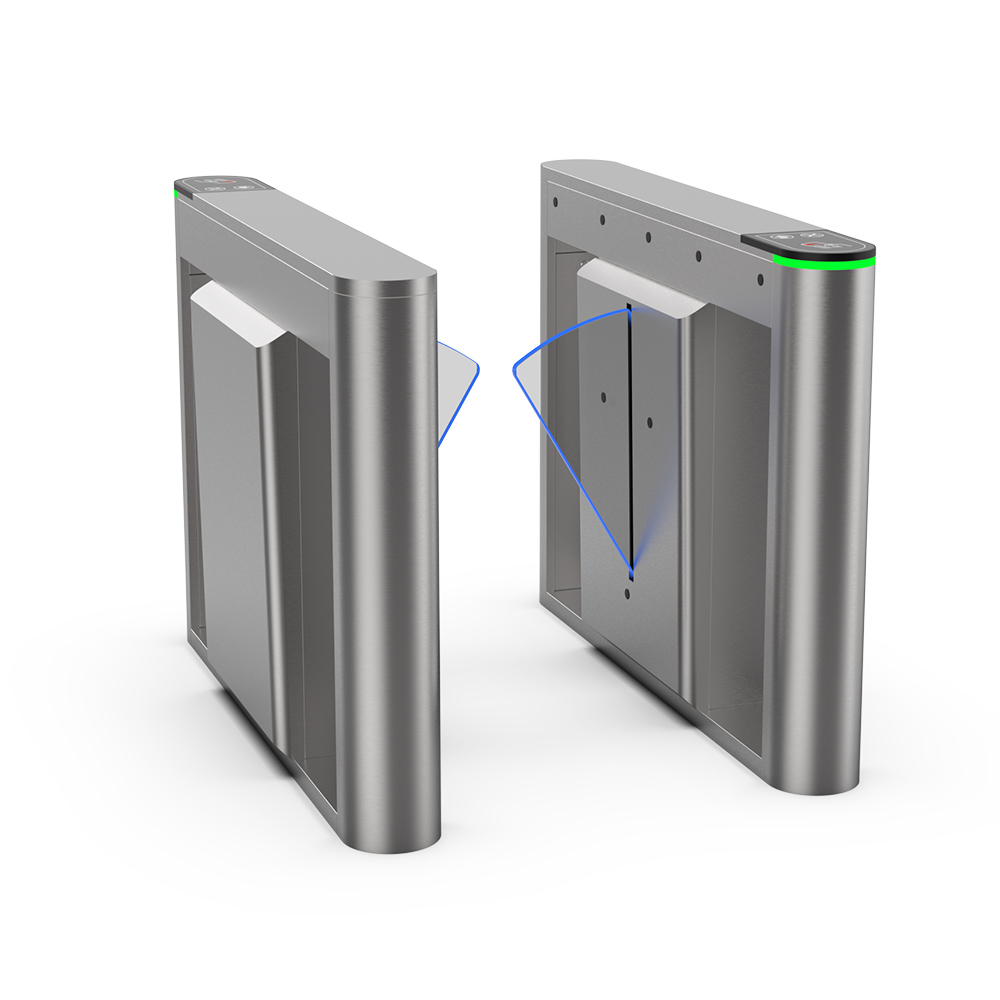
Tripod turnstile gates are a classic, robust solution for managing pedestrian flow and enhancing physical security. However, their true potential is unlocked when they become an intelligent part of your broader access control system. Whether you're securing a corporate lobby, a factory floor, or a pool gate access control point, integrating these physical barriers with your electronic security creates a seamless, efficient, and auditable entry management solution.
This guide will walk facility managers, system integrators, and security directors through the key considerations and steps for successfully integrating a tripod turnstile access control system into your current infrastructure.
Before selecting a turnstile, a thorough audit of your existing setup is crucial.
Identify Your Access Control Reader Type: What technology do you currently use?
Proximity/RFID Card Readers (125kHz or 13.56MHz)
Smart Card Readers
Biometric Readers (fingerprint, facial recognition)
Mobile/BLE/QR Code Readers
Review Your Access Control Software (ACS): Determine if your software supports the addition of new hardware like tripod gates. Check for available input/output (I/O) ports on the main controller.
Evaluate the Installation Site: Assess the physical space for a vertical tripod turnstile (common) or a waist height turnstile (for lower security areas). Consider power source availability and network connectivity for intelligent models.
Not all turnstiles are created equal. Work with reputable tripod turnstile manufacturers who understand system integration.
Communication Protocol Compatibility: This is the most critical technical factor. Ensure the turnstile's controller supports standard industrial protocols such as:
Wiegand Output: The most common and universal protocol for connecting readers to controllers.
TCP/IP (Networked): Allows for direct connection to your LAN for centralized software management and real-time status updates.
RS-485/RS-232: Traditional serial communication protocols still used in many systems.
Relay (Dry Contact): A simple method where the turnstile acts as a lock, triggered by a signal from your existing controller.
Power and Safety Features: Verify voltage requirements and ensure the model has essential safety features like a free-push mechanism (anti-panic) and a built-in emergency drop bar, which must be tied into your building's fire alarm system.
Once you have the compatible hardware, the integration follows a logical path.
1. Hardware Connection:
The typical integration hookup involves connecting the output from your existing access control reader (or its controller) to the input of the tripod turnstile's control board. For example, when a user presents a valid card, your current system sends a "door unlock" signal (e.g., a Wiegand data stream or a relay trigger) to the turnstile, authorizing one rotation.
2. Software Configuration:
In your access control software, the new tripod entrance will be added as a "door" or "access point."
You can configure access rules (who can enter, and when).
Set up anti-passback rules (preventing one badge from being used for multiple entries).
Monitor the turnstile's status (normal, fault, forced entry) if using a networked model.
Pool gate access control systems have specific needs where tripod turnstiles excel.
Integration with Membership Software: The turnstile must interface with your pool's member management software. A valid scan at the reader (card, wristband, or mobile app) should grant a single entry and often log the visit for attendance tracking.
Durability & Environment: Ensure the chosen security tripod has a high IP rating for water and weather resistance.
Tailgate Detection (Optional): For stricter control, consider models with optical sensors to prevent multiple persons from entering on one credential.
Phased Testing: Test integration first with simple credential validation, then with rules (time zones, user groups), and finally with alarm conditions (forced entry, invalid credential).
User Training and Signage: Clearly label the tripod access control system. Instruct users on proper operation (wait for green light/beep, push through).
Maintenance and Support: Establish a maintenance schedule with your tripod turnstile suppliers. Ensure they provide clear documentation for your IT/security team.
Successfully integrating a vertical turnstile or any tripod model transforms it from a standalone barrier into a intelligent node in your security network. It enables centralized control, detailed audit trails, and a significantly enhanced security posture.
The key to a smooth project lies in planning, protocol compatibility, and partnering with an experienced supplier.
Why Partner with DOOR for Your Integration Project?
At DOOR, we are more than just tripod turnstile suppliers; we are access control solution providers. Our tripod turnstile gates are designed for seamless integration from the ground up.
Wide Protocol Support: Our controllers are compatible with all major industry-standard protocols.
Expert Technical Support: Our engineers assist with integration schematics and configuration.
Reliable Hardware: Durable construction ensures your tripod gate operates reliably as a critical part of your security system for years to come.
Ready to fortify your entrances with intelligently integrated tripod turnstiles? Contact DOOR today for a consultation and discuss your specific project requirements.


Headquarters Add.
Factory Add.
Come and Contact DOOR
Quick Links
17th Floor, Block C, Digital Innovation Center, Longhua District, Shenzhen, China
 EN
EN